A Comprehensive Guide to Card Machines for New Businesses: Understanding Fees, Pricing Models and Essential Terms
A beginner’s guide to card machines for new UK businesses. Learn about transaction fees, PCI compliance, pricing models, and how to choose the right card machine for your business.
3/16/20269 min read

Introduction to Card Machines in Business
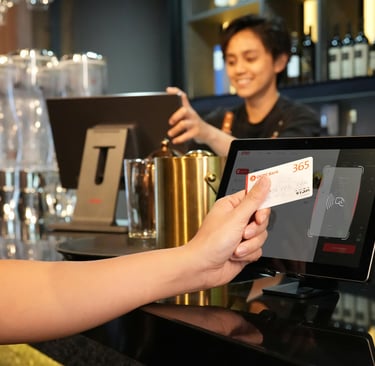
Card machines, commonly referred to as payment terminals or card readers, have become an integral part of modern businesses. These devices facilitate the acceptance of card payments, enabling merchants to streamline transactions and enhance customer satisfaction. The transition from cash to card payments has been notable in recent years, propelled by consumer preferences and technological advancements. Today, more customers prefer the ease and security that card payments offer, which is a paradigm shift that businesses must address.
The incorporation of card machines into business operations can significantly influence sales figures. Studies indicate that businesses equipped to accept card payments often experience higher sales volume compared to those that do not. This can largely be attributed to the convenience offered to customers, who are less likely to carry cash and more inclined to make impulsive purchases when card payments are an option. As cash transactions decline, the relevance of card payment capabilities only continues to grow.
In addition to driving sales, card machines play a crucial role in maintaining operational efficiency. They can facilitate faster transaction times, thereby minimizing wait times for customers. Moreover, seamless integration with various point-of-sale (POS) systems allows businesses to efficiently manage inventory and track sales. The data captured through card machines also provides valuable insights into consumer behavior, enabling organizations to make informed decisions regarding marketing strategies and product offerings.
Ultimately, the significance of card machines in today's business landscape cannot be overstated. They are not merely a mechanism for payment acceptance; they signify a transformation in consumer purchasing behavior and business operational strategies. As new businesses embark on their journey, understanding card machines, their functionality, and their benefits is essential for staying competitive in an evolving marketplace.
Understanding the Different Types of Card Machines
In the evolving landscape of payment solutions, selecting the appropriate card machine is crucial for new businesses. Understanding the various types of card machines available can significantly influence a business’s ability to accept payments efficiently and securely. The three predominant types include countertop card machines, portable card readers, and e-commerce card solutions.
Countertop card machines are primarily designed for brick-and-mortar establishments. These devices usually remain stationed at the point of sale, offering a reliable and robust solution for processing card transactions. Their primary advantage lies in their user-friendly interface and ability to handle multiple payment types, including chip-and-PIN, magnetic strips, and contactless payments. However, they come with the limitation of being tethered to a specific location, making them less suitable for businesses requiring mobility.
Portable card readers, on the other hand, bridge the gap between functionality and flexibility. These devices, often paired with mobile applications, enable businesses to accept card payments on the go. This is particularly advantageous for service-based industries such as food delivery or home repairs, where traditional stationary setups are impractical. Despite their mobility, portable card readers may have limitations in transaction speed and connectivity, particularly in areas with weak internet signals.
Lastly, e-commerce card solutions have gained prominence with the increase in online shopping. These solutions encompass payment gateways integrated into websites, allowing consumers to complete purchases securely. They facilitate the processing of various online transactions and often include features like fraud protection. However, these systems may necessitate additional setup costs and ongoing maintenance to ensure security and compliance with regulations.
In summary, the type of card machine a business selects should align with its operational needs and customer preferences. Each type has its own set of advantages and challenges, making it essential for business owners to carefully evaluate their options to enhance customer satisfaction and streamline payment processes.
An Overview of Card Machine Fees
When selecting a card machine for your new business, understanding the various associated fees is paramount. These fees can significantly influence the cost-effectiveness of accepting card payments and ultimately impact your profit margins. The primary types of fees include transaction fees, interchange fees, and additional service charges.
Transaction fees are charged by payment processors every time a card payment is made. Generally, this fee can be a fixed amount per transaction or a percentage of the transaction value, depending on the pricing model. For instance, some processors may charge 1.5% + £0.10 per transaction, making it crucial for businesses to assess the volume of transactions they anticipate in order to predict costs accurately.
Interchange fees, on the other hand, are set by card networks and can vary based on factors such as card type and transaction size. These fees are generally not negotiable, as they are determined by major players like Visa or MasterCard. Understanding interchange fees is vital, as they contribute to the overall processing cost. Businesses should ensure they remain informed about any upcoming changes in interchange rates that could affect their bottom line.
In addition to these primary fees, many payment processors impose various service charges that may include monthly statements, equipment rental, or customer support fees. These additional charges can add up over time and may differ significantly between providers. Therefore, it is essential for businesses to compare contracts thoroughly before selecting a provider.
Effectively managing card machine fees can enhance your financial planning. This includes negotiating with payment processors, understanding the breakdown of fees, and selecting a card machine that aligns with your financial capabilities and operational needs. By staying informed about these fees, businesses can make strategic decisions that lead to more efficient payment processing.
Explaining Pricing Models for Card Machines
When selecting a card machine, understanding the pricing model is crucial for new businesses. There are several pricing structures available, each with its advantages and drawbacks. The three primary models commonly utilized in the industry are flat-rate pricing, tiered pricing, and subscription models.
Flat-rate pricing offers simplicity and predictability, where businesses pay a fixed percentage for each transaction processed. This model is particularly advantageous for smaller businesses or those with a limited transaction volume, enabling easier budgeting and eliminating surprises due to fluctuating fees. However, this simplicity might not be the best fit for companies with high transaction volumes, as the overall costs could potentially exceed those of more complex pricing models.
On the other hand, tiered pricing divides transactions into different categories. Each level has a distinct fee associated with it, often based on factors such as transaction volume or card type. This model allows businesses that process a higher volume of transactions to benefit from reduced fees. However, it can lead to confusion, as various fees may apply depending on the specifics of each transaction. Understanding the different tiers and ensuring accurate forecasting can be more challenging with this model.
Lastly, subscription models charge a monthly fee for card processing services, often coupled with reduced transaction rates. This structure can be appealing for businesses anticipating consistent transaction volumes, allowing for more accurate monthly budgeting. However, businesses that experience fluctuating sales may find it more challenging to justify the recurring costs, particularly in leaner months.
Ultimately, selecting the ideal pricing model requires careful consideration of business needs, expected transaction volumes, and financial goals. New businesses should conduct thorough research and possibly seek professional advice to ensure that they choose the most effective pricing model for their specific operations.
Decoding Card Payment Jargon: A Beginner’s Glossary
Understanding the terminology related to card payments can be a daunting task for new business owners. Here, we break down key terms you may encounter in your journey into card transactions.
PCI Compliance: This acronym stands for Payment Card Industry Data Security Standards. PCI compliance is a set of security measures intended to protect cardholders’ sensitive payment information during transactions. To maintain compliance, businesses must adhere to regulations established by the PCI Security Standards Council.
Authorisation Fees: When a customer uses their card for purchase, the transaction first requires authorisation from the card issuer. This fee is charged by the payment processor for this service and may vary based on the transaction type, amount, and the card used. Understanding authorisation fees is essential for budgeting your payment processing costs.
Chargebacks: A chargeback occurs when a consumer disputes a transaction and requests a refund from their bank. Instead of contacting the merchant, the bank investigates the claim, which can lead to financial liability for the business if the chargeback is upheld. Familiarity with chargebacks is important for mitigating risks associated with refunds and ensuring customer satisfaction.
Merchant Account: A merchant account is a type of bank account that allows businesses to accept payments made via credit or debit cards. This account acts as a middleman during the processing of card payments, facilitating the movement of funds from consumers’ banks to the business’s bank account.
Payment Gateway: This technology acts as a bridge between the customer and the merchant’s bank. It securely transmits customer payment details to the payment processor and returns the transaction's approval or denial. A reliable payment gateway is crucial for a smooth transaction experience.
By familiarising yourself with these essential terms, you can navigate the world of card payments with confidence, ensuring your new business is well-equipped to handle financial transactions effectively.
Understanding PCI Compliance: What It Means for Your Business
Payment Card Industry Data Security Standard (PCI DSS) compliance is an essential aspect for any business that handles credit card transactions. This set of security standards was designed to ensure that all companies involved in processing, storing, or transmitting cardholder information maintain a secure environment. Non-compliance with PCI standards can expose businesses to significant vulnerabilities, including data breaches, and can have far-reaching financial implications.
The steps necessary to achieve PCI compliance can vary depending on the size and complexity of the business. Generally, organizations must complete a self-assessment questionnaire (SAQ) that evaluates their current security measures in relation to PCI standards. This may include securing networks, implementing strong access control measures, regularly monitoring and testing networks, and maintaining an information security policy. Additionally, businesses must ensure that all employees are trained in data security best practices to prevent unintentional data breaches.
Failure to adhere to PCI compliance can lead to severe repercussions. These may include hefty fines imposed by payment card companies, increased transaction fees, and loss of the ability to accept credit card payments. In the event of a data breach, the financial and reputational damages can be even more extensive, oftentimes resulting in a loss of consumer trust and business credibility. To protect both the business and its clientele, maintaining PCI compliance should be viewed not just as a regulatory requirement, but as a crucial component of overall data security strategy.
Recurring Costs: Monthly Fees and Other Expenses
Establishing a new business often entails several fixed expenses, one of which includes the recurring costs associated with operating card machines. Understanding these costs is crucial for effective financial planning. Monthly fees are commonly charged by payment service providers, which can vary significantly based on the services offered. Typically, businesses can expect to pay a basic monthly fee, which might range from £10 to £50 depending on the provider and the level of service.
In addition to the monthly fees, businesses should be aware of transaction fees that apply for each card purchase. These can fluctuate based on the type of card being used (debit, credit, or rewards cards) and the volume of transactions processed. Furthermore, some providers may impose service charges that cover technical support and maintenance of the card machine, which can add to the overall operating costs.
Moreover, hidden costs might emerge, such as equipment rental fees for the card machine itself. Some providers charge less upfront, but they may incorporate higher rental charges in contracts, potentially resulting in elevated overall expenses over time. It's imperative to evaluate the total cost of ownership of the card machine as this can vary widely among service providers.
To optimize expenses, businesses should diligently compare the pricing structures of different providers, including all fees associated with transaction processing, monthly service, and equipment rentals. Additionally, businesses can negotiate terms or seek out promotions that might mitigate costs. Leveraging analytics and transaction data can also assist in assessing the most cost-effective solutions tailored for individual business needs. Understanding these recurring costs will ultimately help new businesses in selecting the right provider while maintaining profitability.
Conclusion
Choosing the right card machine is an important step for any new business in the UK. As more customers rely on debit cards, credit cards, and contactless payments, being able to accept card payments quickly and reliably has become essential for day to day trading.
However, many new business owners are surprised by how complex the payment industry can be. Transaction fees, authorisation charges, PCI compliance, merchant accounts, and different pricing models can make it difficult to understand the true cost of accepting card payments.
That is why it is important to compare card machine providers carefully before making a decision. The right solution should match the way your business operates, whether that means a mobile card machine for tradespeople, a portable terminal for hospitality, or a countertop card machine for a retail shop.
Costs can vary significantly between providers. Some offer flat rate pricing with no monthly fees, while others provide lower transaction rates in exchange for contracts and monthly service charges. Understanding these differences allows businesses to choose a payment solution that keeps costs under control as they grow.
This is where Cheap Card Machines can help.
Cheap Card Machines helps UK businesses compare card machines, payment providers, and merchant service options in one place. Instead of trying to navigate the payment industry alone, business owners can quickly see which providers offer the most competitive pricing and the best features for their needs.
Whether you are a startup looking for a low cost card reader or an established business searching for better transaction rates, comparing providers can help you avoid unnecessary fees and find a payment system that supports your business.
Accepting card payments should be simple and affordable. By understanding how card machines work and choosing the right provider, new businesses can keep payment costs low while giving customers the convenient payment options they expect.
Contact
Newsletter
info@paymentsworld.co.uk
0344847 5454
© 2026. Payments World All rights reserved.